

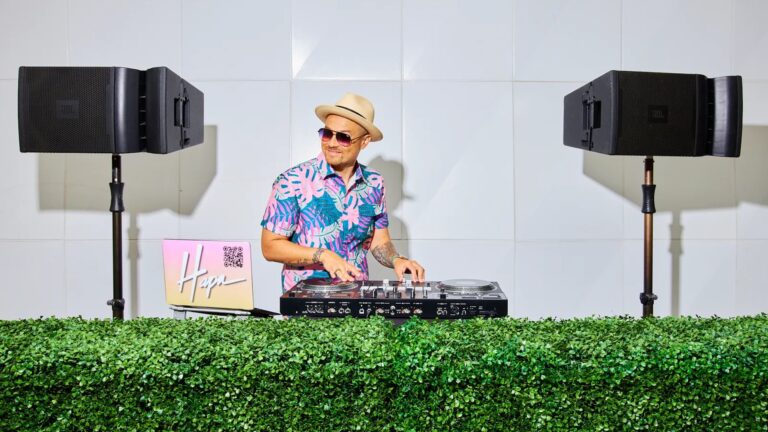
“When you limit yourself, you’re forced to focus. That’s where great sets are born.” – DJ HAPA
By DJ Hapa
Ever walked into a Cheesecake Factory, starving, only to freeze up at a 20-page menu packed with 250 items you might like?
That’s what DJing feels like today for many of us – only we’ve replaced menus with music libraries and swapped decisive action for endless scrolling.
As DJs, especially intermediate-level to advanced jocks, we’ve become digital hoarders. Our hard drives are overflowing with tens of thousands of MP3s, collected from record pools, promos, file shares, and late-night download binges. We convince ourselves we need it all, “just in case.” But here’s the truth: having too much music is hurting your sets – and your ability to perform freely in the moment.
Why We Hoard
Most DJs don’t hoard because they’re disorganized; we hoard because of fear. Fear of not having that one request. Fear of being unprepared. Record-pool subscriptions give us “unlimited” downloads, which only fuels the fire. Why not download the clean, dirty, intro-clean, instrumental, and 12 remixes of the same track?
Add in cheap storage – 1TB internal drives or $60 externals – and suddenly you’re bringing 50,000 tracks to every gig… but only using 2-percent.
I’ve been guilty of it. I used to download everything. But when it came time to prep for a gig, I’d end up reusing the same 10GB of music. I’d lean on my Serato “History” or a recent crate, defaulting to songs already marked “blue” – meaning they’d been played before.
The Decision-Paralysis Trap
This kind of overload doesn’t just clutter your laptop – it clogs your creativity.
In the middle of a set, I’ve found myself scrolling endlessly through my “All” crate, sorted by BPM and key, hoping for inspiration. But all that choice made me indecisive. I picked safe songs. The energy dipped. I skipped over hidden gems I forgot I even had – often because they weren’t tagged or didn’t have hot cues.
Back in the vinyl days, I rolled into gigs with six to eight crates. That’s maybe 1,000 songs total. And still, I rarely played more than 200 in a night. Limitations forced decisiveness. Digital DJing removed those limits, but we never rewired the habit.
You Don’t Need Every Version
Another side effect of hoarding? Files you don’t need and don’t want!
I had dozens of duplicates or low-bitrate MP3s thanks to Napster days and friend’s libraries… I started deleting anything under 192 kbps. I also stopped downloading every version of a track and focused on what I actually need – usually the clean version, since most of my gigs today are weddings, corporate events, or family-friendly environments.
Tools like Lexicon, Mixo, Crate Hackers or CleanMyMac can help audit and clean your collection. But the bigger shift is mental, not technical. Curation > collection.
Detox in Progress
Right now, I’m in the middle of a full music detox.
My performance laptop peaked at over 15,000 songs. My goal is to get that down to 10,000. To start, I built Smart Crates in Serato based on number of plays. One crate shows tracks played less than twice. Another: Tracks played two to 10 times.
This simple move gave me huge insight. I rediscovered incredible songs – like a Green Lantern remix of “Mary Jane” or a gem by my buddy Mike Taylor – that I’d completely forgotten. I started tagging these as “forgot” in the Grouping column and added them to a crate called exactly that.
I also offloaded hundreds of tracks to Dropbox. They’re archived, but no longer taking up space on my machine or in my brain. It’s like putting records in storage: They’re still yours – you just don’t need to carry them to every gig.
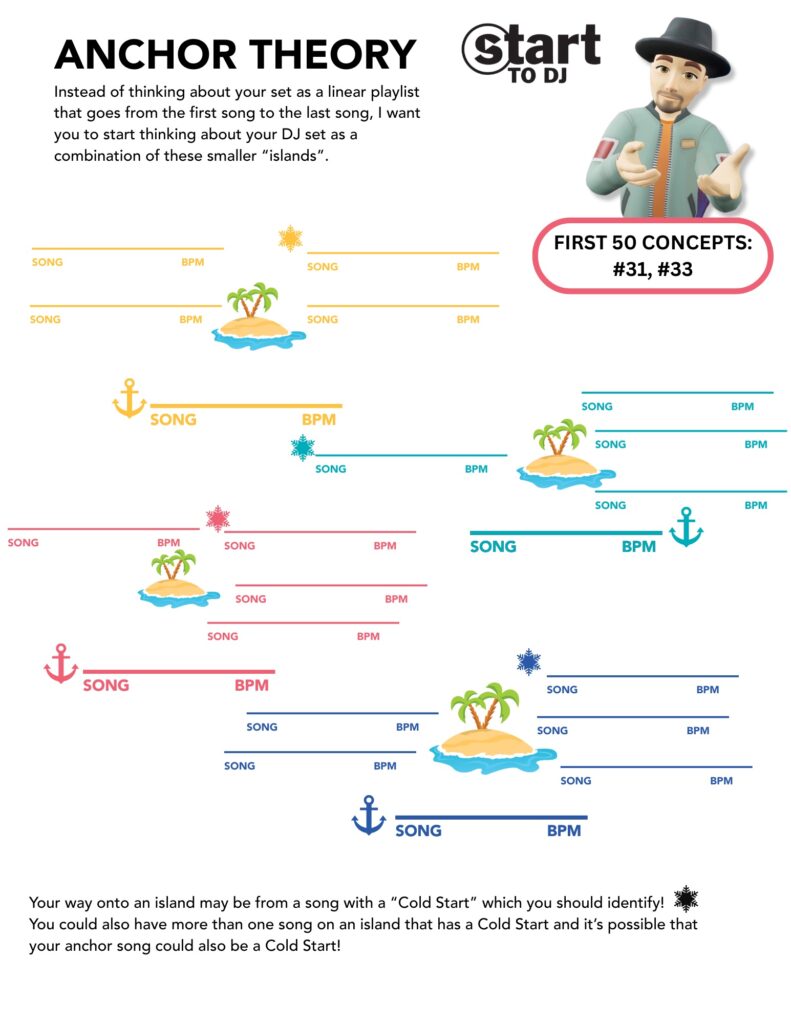
Curate with Intention: The Anchor Theory
When prepping for gigs now, I return to the fundamentals. I ask myself:
– What’s the peak moment of this night?
– What are two or three songs I know I want to play?
– What’s the emotional journey of the night?
From there, I use what I call my Anchor Theory: I choose a few core tracks (my “anchors”) and build crates around them. I might name a crate “Levels 128,” if I’m centering around Avicii’s “Levels,” or “Kendrick 102” for “Not Like Us.” These anchor crates are purpose-built and tuned to the event, not just generic folders.
I also use custom tags like “vibe” for loungey, non-dancefloor tracks, or “UMG” for “Uptempo Multi-Generational” (think Pitbull, Whitney remixes, Calvin Harris). The goal: Create intentionally, not endlessly.
3 Habits Every DJ Should Build Now
If you’re ready to clear the clutter and elevate your sets, here are three habits to start:
- Run a “Plays” Audit
Use Smart Crates to reveal what you actually use. How many total tracks do you have? What percentage do you play regularly? Set a goal to trim and give yourself a deadline. - Prep for Each Gig Like It’s Unique
Don’t recycle crates mindlessly. Take 30 minutes to build custom anchors. Push yourself beyond your usual 40 tracks. Fresh prep = fresh sets. - Buy a Smaller Hard Drive on Purpose
Yes, seriously. Use Dropbox as your “attic” and keep your laptop lean. When you limit yourself, you’re forced to focus. That’s where great sets are born.
Final Thought
You became a DJ because you love music – and because you love sharing it. Hoarding gets in the way of both. Let’s get back to curating. Let’s sharpen our instincts. Let’s trade the Cheesecake Factory menu for a chef’s tasting menu.
Because the best DJs don’t just have the music. They know when to play it.
DJ Hapa is a veteran DJ, educator, and founder of The DJ Coach. With over 25 years of experience behind the decks and more than two decades teaching DJs around the world, he’s on a mission to teach the world to DJ – smarter, cleaner, and more creatively.