

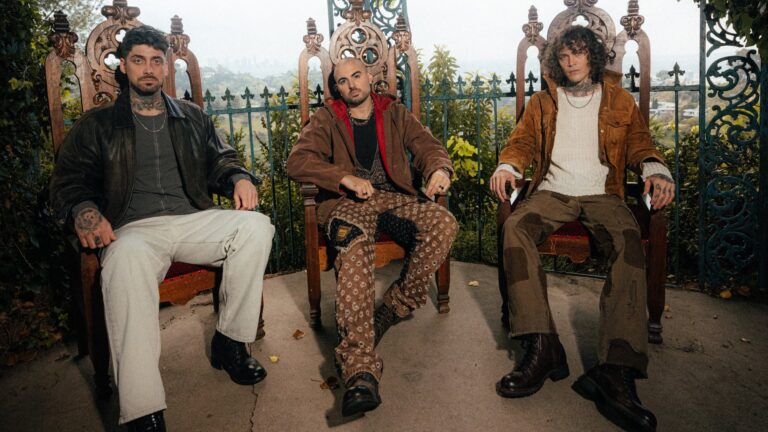
The Los Angeles trio Cheat Codes has spent the last decade defying genre boundaries and rewriting the rules of what a modern electronic act can be.
With more than 6 billion global streams, Platinum- and Gold-certified records across continents, and collaborations ranging from Demi Lovato to Dolly Parton, the group – KEVI (aka Kevin Ford), Trevor Dahl, and Matthew Russell – has carved out a career that thrives off experimentation and reinvention. Their sound is a mixture of electronic, pop, dance, and even country, but their core mission remains the same: to make music that feels fresh, fun, and true to who they are.
The journey began humbly – bedroom beats, DIY sessions, and raw energy poured into tiny club gigs. Those rough-and-ready beginnings, complete with chaotic first sets and over-prepared playlists, helped shape the foundation of their now world-touring live experience.
Fast forward 10 years, and the Cheat Codes name has become synonymous with collaboration and innovation. Whether it’s their Hellraisers trilogy, their genre-bending One Night in Nashville project, or their latest vision, Future Renaissance, the trio continues to embrace evolution as a guiding force.
As the group prepares to hit global stages once again – and share their boldest project yet – Cheat Codes are showing no signs of slowing down. We recently caught up with the talented trio.
DJ LIFE: Did you get your start as DJs or producers?
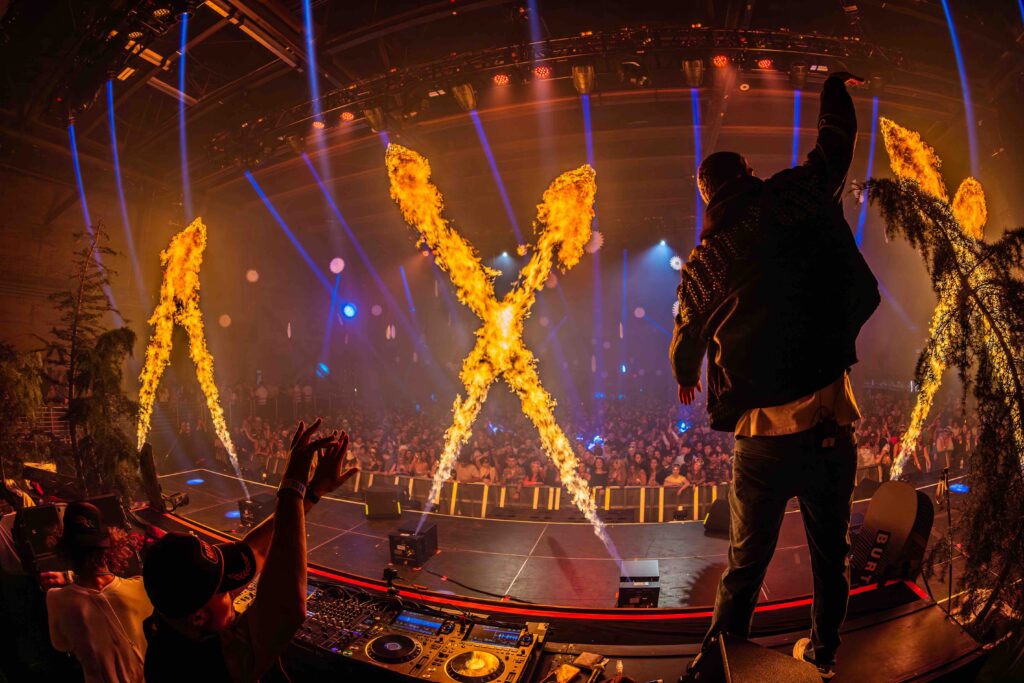
Matthew Russell: For us, it was always a mix of both, but producing came first. I was messing around with beats in my bedroom in St. Louis, Trevor was writing songs as Plug In Stereo, and KEVI was actually a rapper. When we linked up in L.A., we were making tracks before we ever owned any CDJs. DJing came as a way to bring our productions to life – those early club gigs were us testing our sound live, figuring out what made crowds move. Producing gave us the foundation, but DJing was like the spark that turned Cheat Codes into a live experience. It was definitely learn-as-you-go. I remember some of our first shows and none of the tracks really flowed or made sense together. Now we’re constantly making live edits and thinking about how the set flows as a whole 90-minute journey.
DJ LIFE: What were those early DJ gigs like?
Russell: Our first gig together was this tiny club in San Francisco, probably 2014, and it was chaos in the best way. I remember Trevor and I were so nervous we overprepared, like, we had this setlist planned to the second, but KEVI was like, “Just vibe with the crowd!” The booth was cramped, the sound system was sketchy, and we were figuring out how to transition without clearing the dancefloor. We were opening for Cut Snake, which DJ Fisher was a member of. We essentially just played our songs that were on Spotify and there were no real transitions. Early days were raw – small venues, late nights, and a lot of trial-and-error. We’d play our early tracks, like “Visions,” and watch people’s reactions to tweak them. Those gigs taught us how to read a room and not take ourselves too seriously.
DJ LIFE: How did you ultimately decide to call yourself Cheat Codes?
Trevor Dahl: Honestly, Cheat Codes… the name kind of sparked the inspiration for the music. We did it in reverse to a lot of groups, I would say. The name Cheat Codes came from KEVI’s brother, who was talking about finding the “cheat code” to life – doing what you love, no rules. It clicked instantly because we’re all about breaking the mold, blending genres, and just having fun. We knew it was the one when we said it out loud for the first time.
DJ LIFE: What’s your DJ-gear evolution been like?
Ford: Back in the day, our set-up was bare-bones. We had a Pioneer DDJ-SX, some cheap monitors, and a laptop running Serato that crashed half the time. We were lugging gear to gigs in my old car, praying it wouldn’t break down. Now? Our setup’s a whole different beast – Pioneer CDJ-3000s, a solid mixer like the DJM-900NXS2, and we’re running custom visuals synced to our sets. We’ve got a team helping with production, but we still keep it hands-on to feel that raw energy. The biggest change is confidence – we know our sound now, so the gear’s just a tool to amplify that. 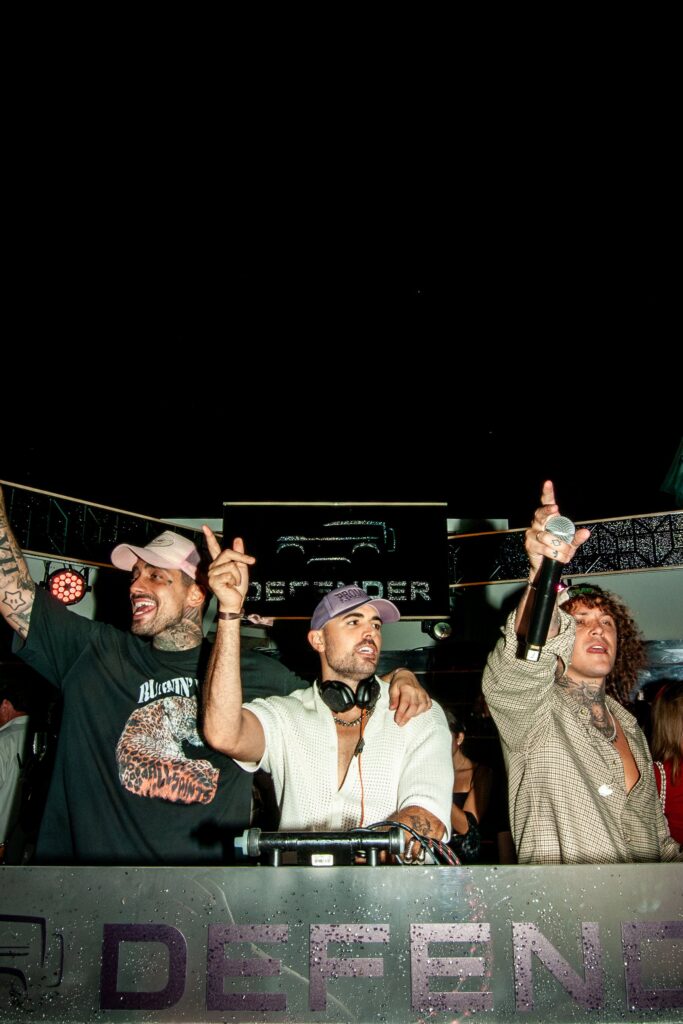
DJ LIFE: What are your studio preferences?
Russell: We’re die-hard Ableton Live guys, but when we first started Cheat Codes, our early records we used Pro Tools. Once Ableton became more popular, we started making the instrumentals in Ableton and then just edited vocals in Pro Tools. And then once Ableton added audio comping, it was game over – we never used Pro Tools again.
DJ LIFE: How do you guys work together?
Russell: These days, we’re hybrid – sometimes we’re all in the studio vibing, passing ideas back and forth; but we also work a lot remotely via Zoom or sending stems. I’ll start a beat, Trevor might add a topline, and KEVI will chop it up into something wild. It’s like a musical hot potato. We keep it loose, so the creativity doesn’t feel forced. For example, I was in the session for our song “More Than Anybody.” We finished the demo with Izzy Bizu on the vocals and sent it to Trevor. He had the idea of a sax solo lead on the drop. He made it with a Kontakt instrument. I wasn’t really feeling it, but we kind of joked, “Well, maybe if this is played by some dope saxophone player like Kenny G then it would work.” And KEVI actually made it happen… slid into Kenny’s DMs and he actually responded. Teamwork makes the dream work.
DJ LIFE: Can you share some of your collaborative process and what it was like working with CeeLo Green?
Dahl: Working with CeeLo on “Go To Hell” was next-level. Our collab process is all about vibe – someone throws out a spark, like a melody or a concept, and we build from there. For this track, we had this gospel-sounding, cinematic idea, and we knew CeeLo’s voice could make it epic. We sent him the demo, and he got it right away – he came in with this larger-than-life energy, layering these soulful, gritty vocals that gave the track so much depth.
Ford: We got to hang out on the video shoot and just hearing his stories about Gnarls Barkley and how the song “Crazy” came about was really inspiring. I guess the track that Danger Mouse played CeeLo was meant for someone else, but CeeLo was instantly inspired. It’s stories like that that remind you how anything can happen when it comes to creativity and music – you just gotta keep showing up.
DJ LIFE: Your new album is Future Renaissance. What does the idea of a “renaissance” mean to you?
Russell: Future Renaissance is our love letter to where we’ve been and where we’re going. To us, “renaissance” means rebirth—taking everything we’ve learned over a decade and reinventing it with fresh energy. Personally, it’s about growing as artists and people, not being afraid to evolve. Creatively, it’s us saying, “Screw genres, let’s make what feels right.” This album blends electronic, pop, even some gospel vibes, reflecting all our roots. It’s like a time machine that’s nostalgic but futuristic, pulling from our early SoundCloud days and pushing into new territory.
DJ LIFE: What was the album-making process like for you guys this time around? How many tracks did you create for this album vs. how many ended up making it onto the album?
Dahl: The process for Future Renaissance was intense, but fun. We probably made over 50 tracks, experimenting with everything from straight-up dance bangers to weird, left-field ideas. We whittled it down to 12 or so that really told our story. It was like curating a playlist of our souls – each track had to fit the vibe. We’d start with late-night jam sessions, sometimes just messing around with a guitar or a random synth patch, then refine it over months. We worked with so many incredible artists, and their input shaped the sound. It was less about perfection and more about capturing moments that felt real.
DJ LIFE: How long did the album take from start to finish? What was the process like?
Ford: Future Renaissance took about two years from the first ideas to the final mix. We started in early 2023, just throwing around concepts, and wrapped it up by mid-2025. We had a mix of in-person and virtual sessions – probably 60/40 in-person. Most of the songs were started in-person and then we send files around to finish them. When we’re in the same room, the energy’s unmatched; we’re feeding off each other, riffing, and laughing. But virtual’s clutch when we’re on tour or working with artists across the globe. Like, we’d send stems to collaborators, like CeeLo or others, and get back some mind-blowing verse lyrics.
DJ LIFE: Which process do you prefer?
Ford: I prefer in-person for that raw connection, but virtual keeps us moving fast. It’s all about balance. One of the things we wanted to do was reconnect with some writers who we worked with on previous records – for example, our friend Jackson Foote who wrote on “No Promises” and our friend Bryn Cristopher who worked on “Never Love You Again.” It’s good when you feel comfortable with writers who already know the vibe you’re going for. So we got in the studio and that’s how we came up with the demo for “Go To Hell.”
DJ LIFE: After a decade together, how would you say you’ve navigated the ever-evolving music industry?
Dahl: The industry’s flipped so much in 10 years. Streaming’s taken over. Back when we started, it was all about SoundCloud and iTunes; now it’s Spotify, TikTok, and global reach from your laptop. Social media’s a game-changer; it’s wild how a 15-second clip can blow up a track. The downside? It’s oversaturated – everyone’s a “producer” now, so standing out’s tougher. But what’s stayed the same is the core – good music cuts through the noise. Crowds still want to feel something, whether it’s at a dive bar or Ultra. And collabs are still king – working with artists who inspire you never gets old. I will say the sad part is that great artists are forced to be influencers now. I just hope we don’t miss out on great talent in the future because they weren’t good at taking selfie videos or vlogging.
DJ LIFE: How do your festival gigs inform your music? What are the differences in certain big events?
Ford: Playing festivals like Lollapalooza, Ultra, and Stagecoach has been huge for us. Each stage is a different beast – Ultra’s all about high-energy drops, Lollapalooza’s got that eclectic crowd vibe, and Stagecoach let us tap into our country roots. You learn what hits hardest live… like, we’d test a new track at Ultra and see the crowd lose it, so we’d lean into those big, euphoric moments. The first Stagecoach was a challenge because there weren’t very many country-EDM remixes at the time, so we locked in for two weeks just making edits. Those stages are like a mirror – they show you what connects and inspire you to keep evolving.
DJ LIFE: What’s on the horizon for Cheat Codes?
Russell: The rest of 2025’s gonna be massive. We’re hitting the road hard to support Future Renaissance, going back to Europe for the first time in years with some festival dates and a headline tour in the works – expect some crazy live moments with surprise guests. We’re already cooking up new music; we’ve got a few collabs in the pipeline that’ll blow minds. Plus, we’re diving deeper into visuals and interactive stuff for our shows to make every set feel like a party. And maybe a few pop-up gigs just for the hell of it. Stay tuned, ’cause we’re just getting started.